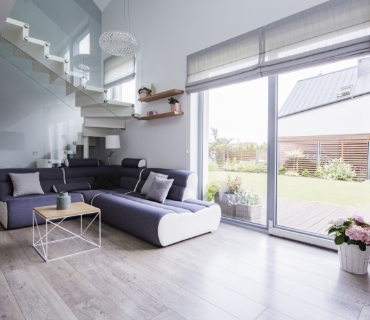

Choosing the right blinds isn’t just about style — it’s also a practical step toward making your home more energy-efficient. From insulating your space in winter to keeping it cool in summer, energy-efficient blinds can significantly reduce your energy consumption and enhance indoor comfort. Let’s explore the best types of energy-saving blinds, their pros and cons, and how to choose the right one for your needs.
Types of Energy-Efficient Blinds
Honeycomb Blinds
Known for their unique cellular design, honeycomb blinds create air pockets that act as insulators, reducing heat transfer through your windows.
Pros:
- Excellent Insulation: Air pockets reduce heat gain in summer and heat loss in winter.
- Light Control: Available in sheer, light-filtering, and blackout options.
- Aesthetic Appeal: Come in a wide variety of colours and patterns.
- Sound Absorption: Their structure also helps in dampening external noise.
Cons:
- Cost: Typically more expensive due to their advanced design.
- Style Compatibility: The cellular look may not suit every décor.
- Maintenance: Dust and allergens can collect in the cells, making them harder to clean.
Note: Honeycomb blinds are currently not available for online purchase.
Roller Blinds
Simple yet functional, roller blinds can be fitted with blockout fabric to improve insulation.
Pros:
- Cost-Effective: Budget-friendly option for energy savings.
- Fabric Options: Available in blockout, sunscreen, or light-filtering varieties.
- User-Friendly: Easy to operate, either manually or motorised.
- Sleek Look: Minimalist design suits most modern interiors.
Cons:
- Limited Insulation: Not as insulating as honeycomb designs.
- Light Gaps: Fabric roll may leave slight gaps around the edges.
Visionwood Venetian Blinds
Made from high-strength PVC, these blinds combine durability with energy efficiency.
Pros:
- Durability: Resistant to warping and cracking.
- Heat Blocking: Slats effectively reduce solar heat gain.
- Flexible Light Control: Easily adjust slats to manage lighting.
- Moisture Resistance: Ideal for kitchens and bathrooms.
Cons:
- Aesthetic Limitations: May lack the natural warmth of wood.
- Weight: Can be heavy to lift if not motorised.
- Higher Cost: Premium quality comes at a slightly higher price.
Seasonal Benefits of Energy-Efficient Blinds
Winter:
Blockout roller fabrics and honeycomb structures help prevent indoor heat from escaping, keeping your home warmer and reducing heating bills.
Summer:
Blinds that reflect or block sunlight can significantly reduce indoor temperatures, decreasing your reliance on air conditioning.
Factors to Consider When Choosing Blinds
1. Material
Choose materials based on insulation needs:
- Fabric – Soft appearance, good insulation (especially with blockout lining).
- Wood/PVC – Durable and effective for blocking heat.
2. Operation
- Manual – Budget-friendly, easy to install.
- Motorised – Offers scheduling and remote control for improved energy savings.
3. Installation
Ensure blinds are mounted close to the window frame to eliminate gaps and maximise insulation.
Conclusion
Energy-efficient blinds are a smart investment for year-round comfort. Whether you prefer the advanced insulation of honeycomb blinds, the simplicity of roller blinds, or the durability of Visionwood Venetians, the right window covering can help cut energy costs and add value to your home — all while elevating your décor.